 How-to
How to Manage Diabetes at Home for Seniors
Last Updated: November 26, 2026
Quick Summary
Seniors can manage diabetes at home by building a steady daily routine around four habits: balanced meals, regular blood sugar checks, medications taken as prescribed, and gentle activity. Consistency matters far more than perfection, and a clear plan agreed with a healthcare team makes each day easier to follow.
- Fill half the plate with vegetables, a quarter with protein, and a quarter with whole grains or starch.
- Wash hands, insert a test strip, prick the side of a fingertip, apply blood, and record the reading.
- Keep one master medication list and bring it to every appointment and refill.
- Treat a low with 15 grams of fast-acting sugar, wait 15 minutes, then recheck.
- Call 911 if the senior faints, has a seizure, cannot swallow, or cannot be woken.
Table of Contents
- How can seniors manage diabetes at home?
- Diabetes meal planning for seniors: building balanced meals and a weekly plan
- Blood sugar monitoring for older adults: steps, timing, and targets
- Diabetes medication management for seniors: timing, refills, and coordination
- Low blood sugar symptoms in seniors and what to do next
- Gentle daily activity, home safety, and caregiver support in Airdrie
- Planning your next step for home diabetes support
- Frequently Asked Questions
How can seniors manage diabetes at home?
Seniors can manage diabetes at home by building a steady daily routine around four habits: balanced meals, regular blood sugar checks, medications taken as prescribed, and gentle activity. Consistency matters far more than perfection, and a clear plan agreed with a healthcare team makes each day easier to follow.
Managing diabetes at home is about systems that work when energy is low and motivation is thin.
Why home routines matter more than willpower
Willpower runs out. Routines don't.
A senior who checks blood sugar at the same time each morning, with the meter in the same drawer, is far more likely to keep it up than someone relying on memory and resolve. The same holds for meals and medication.
Diabetes care is not a series of big decisions but a series of small ones made automatic.
- Keep the meter, strips, and log in one visible spot
- Set phone or clock reminders for medication times
- Prep meals on the same days each week
What to confirm with your healthcare team first
Before changing anything at home, confirm the basics with the family doctor, pharmacist, or diabetes educator. Targets vary by person, especially for older adults with other health conditions.
Ask these questions at your next appointment:
- What is my personal blood sugar target range?
- How often should I check, and at what times?
- What should I do if a reading is too low or too high?
Write the answers down. Bring the log to every appointment so the team can adjust the plan based on real readings, not guesswork.
Diabetes meal planning for seniors: building balanced meals and a weekly plan
A balanced plate is the simplest tool for diabetes meal planning for seniors. Fill half the plate with vegetables, a quarter with protein, and a quarter with whole grains or starch.
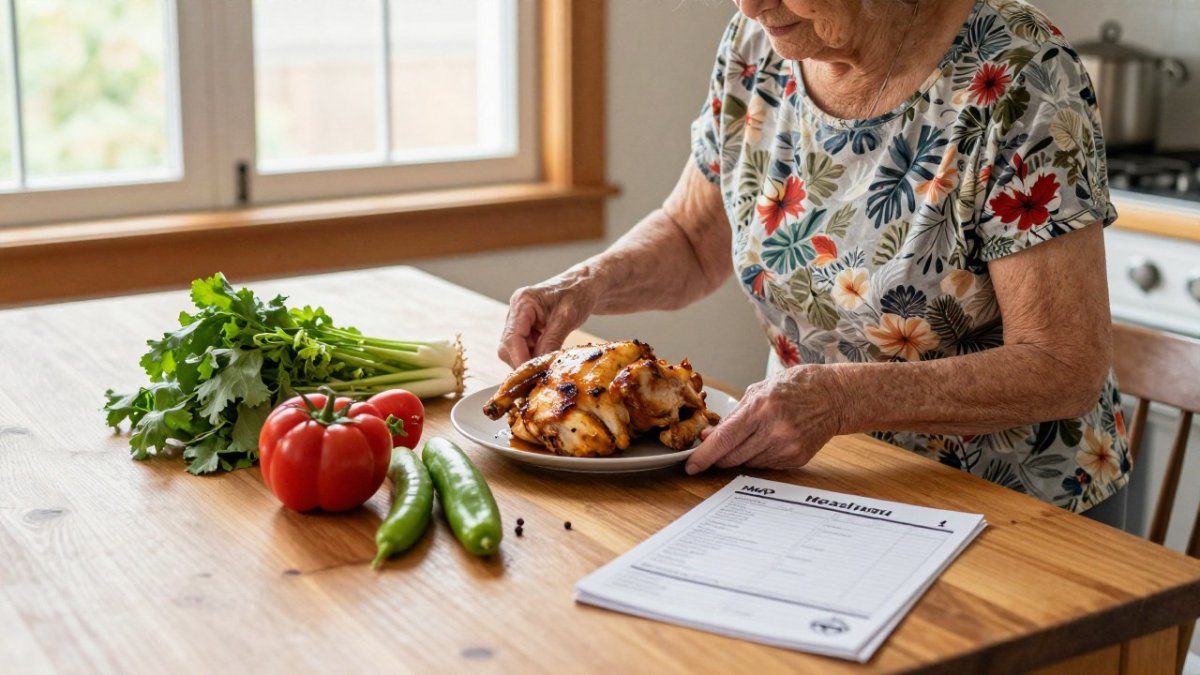
For older adults, meal planning must also solve practical problems: cooking for one, low appetite, and fatigue by late afternoon.
A weekly plan helps. Try this structure:
| Day | Breakfast | Lunch | Dinner |
|---|---|---|---|
| Monday | Oatmeal, berries, nuts | Lentil soup, whole grain roll | Baked chicken, roasted vegetables |
| Tuesday | Eggs, whole grain toast, tomato | Tuna salad, cucumber | Salmon, quinoa, green beans |
| Wednesday | Greek yogurt, apple | Leftover chicken, salad | Bean chili, brown rice |
| Thursday | Oatmeal, banana, peanut butter | Vegetable omelet | Baked fish, sweet potato, broccoli |
| Friday | Whole grain cereal, milk | Lentil salad | Chicken stir-fry, vegetables |
| Saturday | Eggs, fruit | Soup and sandwich | Roast beef, potatoes, carrots |
| Sunday | Yogurt, berries | Leftovers | Bean and vegetable stew |
Keep these points in mind:
- Hydration matters. Seniors often feel thirst less strongly. Offer water through the day.
- Alcohol affects blood sugar. Limit it and check readings if drinking.
- Watch portions of starches. Rice, potatoes, and bread raise blood sugar fastest.
If cooking has become hard, homemaking and meal preparation support can keep balanced meals on the table without relying on frozen dinners.
Blood sugar monitoring for older adults: steps, timing, and targets
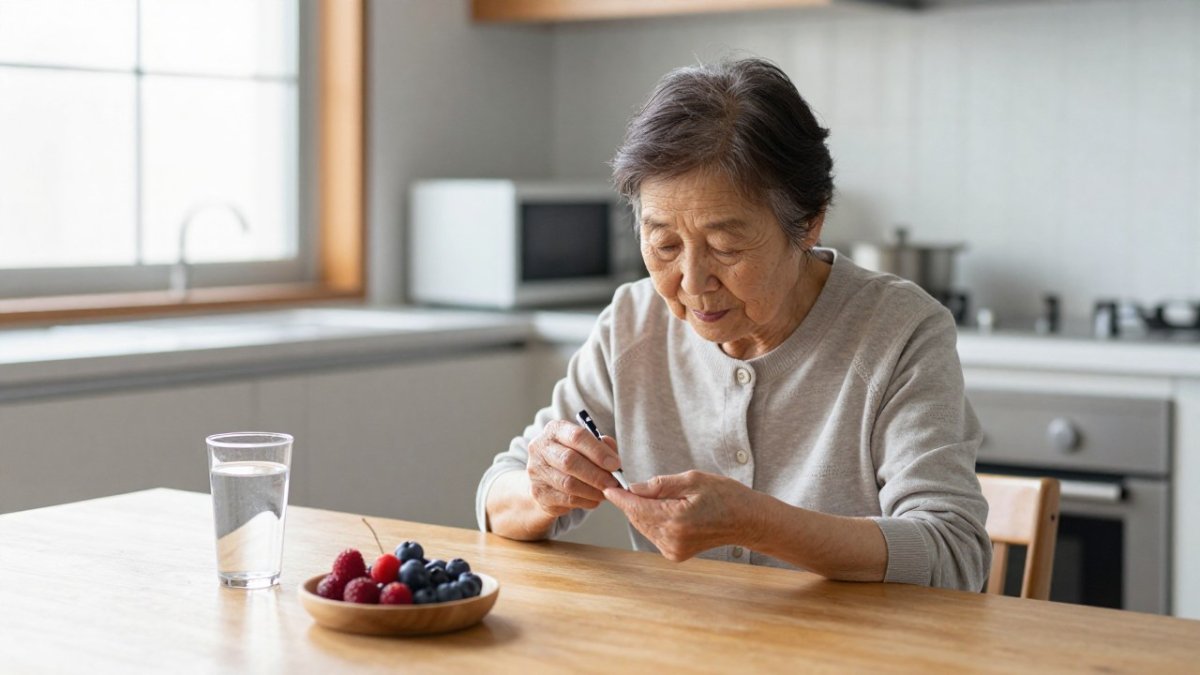
Blood sugar monitoring for older adults follows five steps: wash hands, insert a test strip, prick the side of a fingertip, apply blood to the strip, and record the reading. Follow the individual target your healthcare team set rather than a general figure.
Here is the routine in order:
- Wash and dry hands with warm water
- Insert a fresh test strip into the glucose meter
- Prick the side of a fingertip with the lancet
- Touch the blood drop to the strip edge
- Read the result and write it in the log with the time and any notes
A simple daily monitoring routine
- Morning, before breakfast: fasting reading
- Before lunch or dinner: one mealtime reading, as advised
- At bedtime: reading if on insulin or if lows have occurred
Watch out: guessing at a reading when symptoms appear is risky. A senior who feels shaky but skips the check may treat a high as a low. Always check before acting.
Diabetes medication management for seniors: timing, refills, and coordination
Diabetes medication management for seniors comes down to four things: the right dose at the right time, never running out, keeping every prescriber and pharmacist informed, and a plan simple enough to follow on a bad day.
Older adults often see a family doctor, an endocrinologist, a pharmacist, and sometimes another specialist. Each may prescribe or change a medication without seeing the full picture, leading to duplicated drugs, interactions, or a dose that no longer matches the senior's readings.
Build one master medication list
Keep a single list of every medication, including over-the-counter drugs, vitamins, and supplements. For each item, record the name, dose, times taken, prescriber, and pharmacy. Update it the same day anything changes. Bring the list to every appointment and show it to the pharmacist at every refill. A common pattern is for families to keep a copy on the fridge and a photo of it on a caregiver's phone.
Practical steps that hold up on low-energy days
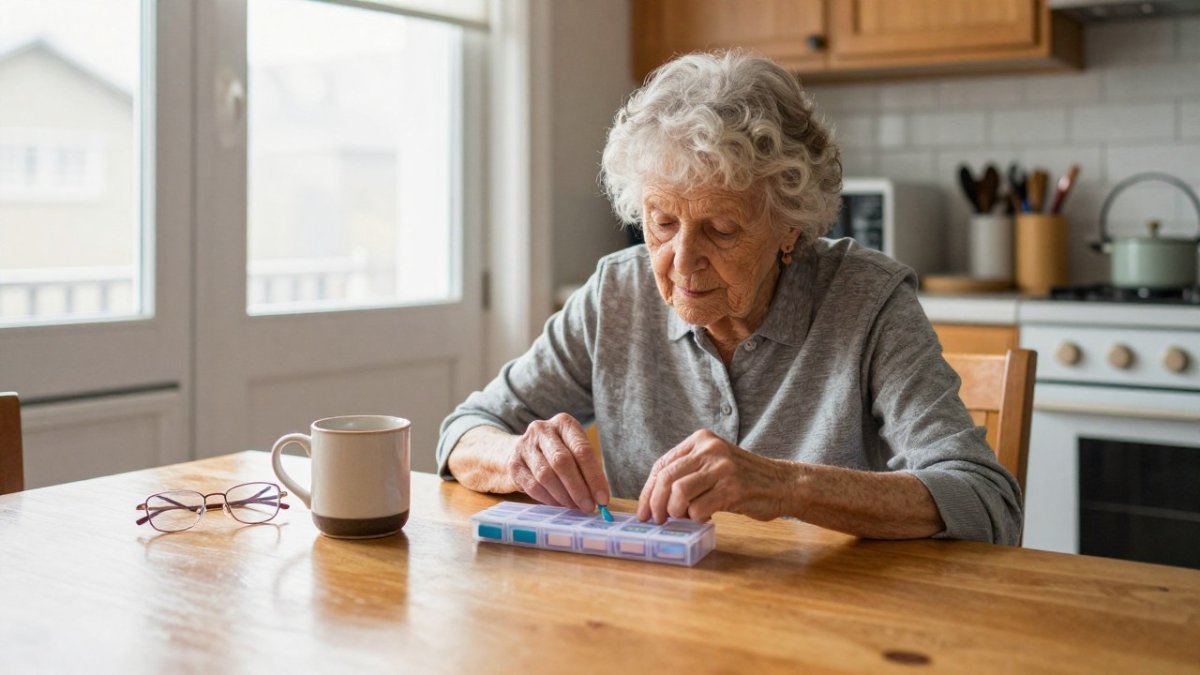
- Use a pill organizer filled on the same day each week, and check it against the master list.
- Link doses to meals so timing stays steady even when the day shifts.
- Set refill reminders at least a week before running out, and ask the pharmacy about automatic refills or blister packaging.
Watch out: Do not borrow a spouse's or friend's medication, and do not use expired insulin. Insulin that has been frozen or left in a hot car may lose potency even if it looks normal.
Coordination across prescribers and caregivers
When several doctors are involved, one person should own the master list, the senior, a family member, or a professional caregiver. With the senior's consent, share it with each prescriber and the pharmacy. A senior can ask their family doctor or pharmacist about sharing a medication list, and the senior decides who sees it.
For a deeper walkthrough, see our guide to medication management for seniors at home.
Low blood sugar symptoms in seniors and what to do next
Low blood sugar (hypoglycemia) is the most common diabetes emergency in older adults, and the one most often missed at home. Symptoms can be subtle: shakiness, sweating, confusion, dizziness, sudden irritability, unusual drowsiness, blurred vision, or a racing heart. In older adults, confusion or a behavior change is often the first sign. A senior who seems "just tired" after a missed meal or a dose of insulin may be low.
Know your personal low threshold first
There is no single number that defines a low for every senior. A healthcare team sets an individualized target, and for older adults with frailty, cognitive changes, or multiple conditions, the team may deliberately aim higher to reduce the risk of severe lows. Ask your family doctor, pharmacist, or diabetes educator: "At what number should I treat, and at what number should I call for help?" Write both numbers on a card and keep it with the meter.
The 15-15 rule, step by step
- Check blood sugar if possible. If the senior cannot be tested and symptoms are clear, treat first.
- Take 15 grams of fast-acting sugar: about 125 mL (half a cup) of juice or regular soft drink, 15 mL (one tablespoon) of sugar or honey, or three glucose tablets.
- Wait 15 minutes without eating anything else.
- Check blood sugar again.
- If still low, repeat the 15 grams and wait another 15 minutes.
- Once blood sugar is back in range, eat a small snack or meal to keep it steady.
Watch out: Do not use diet drinks, sugar-free candy, or chocolate to treat a low. Diet drinks contain no sugar, and chocolate's fat slows absorption. Keep fast sugar in every room the senior uses, in the purse or walker bag, and beside the bed.
Severe low: when to call 911
A severe low is a medical emergency. Call 911 if the senior faints, has a seizure, cannot swallow, or cannot be woken. Do not force food or drink into the mouth of someone who is unconscious or unable to swallow, because of choking risk. If a glucagon kit has been prescribed, a trained caregiver may use it while waiting for paramedics; ask the healthcare team whether a kit is appropriate and who should be trained.
Preventing lows at home
- Eat meals at consistent times and do not skip them, especially when taking insulin or sulfonylureas.
- Check blood sugar before and after unusual activity, and eat a snack if activity is longer or harder than usual.
- Review any new medication with the pharmacist, since some drugs increase low risk.
Caregiver coordination for lows
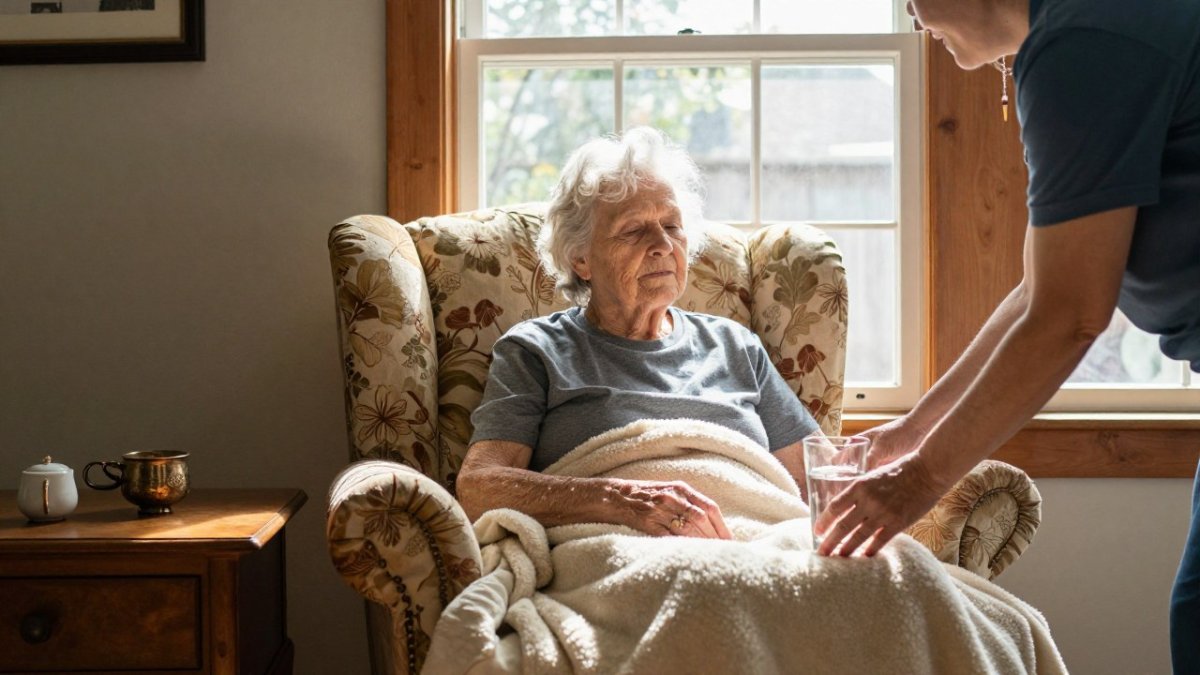
A caregiver should know three things: where the fast sugar is kept, the senior's personal low threshold, and when to call 911. Keep a one-page low-blood-sugar plan on the fridge or with the medication list, and review it with anyone who spends time alone with the senior. Family caregivers can ask the senior's diabetes education team for a short teach-back session so everyone responds the same way.
Gentle daily activity, home safety, and caregiver support in Airdrie
Gentle exercise helps muscles use glucose more effectively. Walking, swimming, chair yoga, and light cycling all count. Aim for short, frequent sessions rather than one long one.
Airdrie winters make outdoor activity harder. Options that work locally:
- Mall walking at indoor spaces
- Community centre pool sessions
- Chair exercise videos at home
A senior-friendly home safety and accessibility plan
Falls are a real risk with diabetes, especially with nerve changes or dizziness. Small changes help:
- Remove loose rugs and clutter from walkways
- Add grab bars in the bathroom
- Improve lighting in hallways and stairs
For a fuller checklist, read our tips for aging in place safely at home.
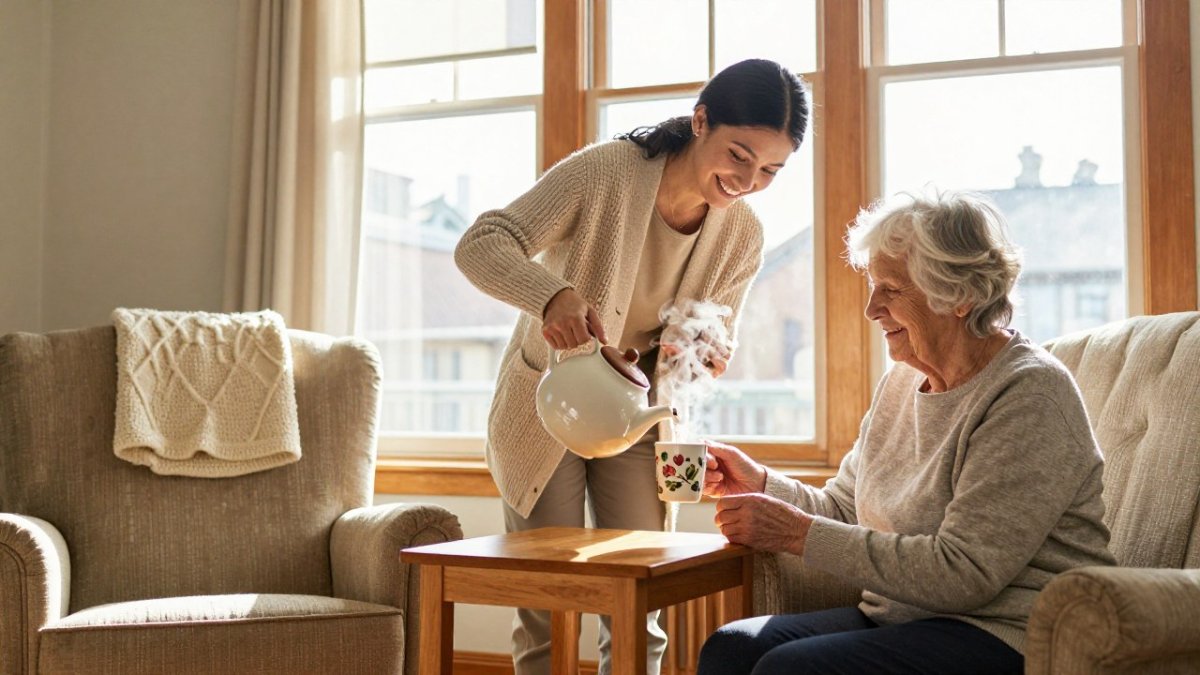
Caregiver support ties it together. A family member or professional caregiver can prompt medication, prepare meals, and notice small changes before they become problems. Where eligible, clients may be supported through the Client Directed Home Care Invoicing (CDHCI) program, and we coordinate with families in Airdrie.
Planning your next step for home diabetes support
Start with a single change this week: set up one medication reminder or one meal prep day.
If you are unsure whether more help is needed, our guide on signs it is time for professional home care walks through the signals.
That is where we come in. Happy at Home Healthcare Services is a family-owned agency serving Airdrie, Calgary, and surrounding areas.
Diabetes care at home works best when the daily tasks are shared. Reach out through our contact page to talk through your situation, or call us today to get started with Happy at Home Healthcare Services and keep independence at home within reach.
Frequently Asked Questions
How often should seniors with diabetes check their blood sugar?
It depends on the person, the medication plan, and what the healthcare team recommends. Some older adults check once a day, while others check before meals and at bedtime, or more often when unwell. Ask the care team for a written schedule with target ranges, then keep a simple log of readings, meals, activity, and symptoms. Bring the log to medical appointments so the plan can be adjusted based on patterns rather than single readings.
What are the signs of low blood sugar in an older adult?
Low blood sugar symptoms in seniors can include shaking, sweating, confusion, dizziness, hunger, weakness, and irritability. Older adults may not notice early signs, and confusion can be mistaken for normal aging. If low blood sugar is suspected, check blood glucose if a meter is available and follow the care plan. Keep a fast-acting sugar source within reach, and seek urgent help if the person cannot swallow, passes out, or does not improve.
How can caregivers help seniors take diabetes medication safely?
Use a pill organizer, set phone alarms, and keep an up-to-date medication list that includes doses and timing. Coordinate meals and medication timing so doses are not missed or doubled, and pick up refills before they run out. Never adjust doses without the prescriber. If a dose is missed, call the pharmacy or healthcare professional for guidance rather than guessing, and write down any side effects to report at the next appointment.
When should a senior with diabetes contact a healthcare professional?
Contact a healthcare professional if blood sugar readings are often outside the target range, if there are repeated low blood sugar episodes, or if new symptoms appear such as numbness, vision changes, or slow-healing wounds. Seek urgent help for severe confusion, fainting, vomiting, or signs of very high blood sugar. In Canada, call 911 for emergencies, and use local services such as Health Link for non-emergency advice when unsure.