 Ultimate guide
What Is Non-Medical Home Care? A Complete Guide
Last Updated: November 10, 2026
Quick Summary
Non-medical home care is hands-on help with everyday life, such as bathing, meals, companionship and errands, that lets seniors and adults with disabilities stay in their own homes. Trained caregivers provide this personal support without performing clinical procedures like wound care or injections.
- Non-medical caregivers help with daily living tasks and companionship, not clinical procedures.
- Caregivers can remind someone to take medication but cannot administer it or adjust a dose.
- Many families combine non-medical caregivers with nursing services when a clinical need arises.
- Ask providers about criminal record and vulnerable-sector checks, training, and insurance before hiring.
- Confirm which neighbourhoods a provider serves and whether travel time is billed.
Table of Contents
- What Non-Medical Home Care Means
- Non-Medical Home Care Services Available in Airdrie and Calgary
- Non-Medical Home Care vs Medical Home Care
- Who Benefits From Non-Medical Home Care
- Dementia and Alzheimer's Support at Home
- How to Choose a Home Care Provider
- Booking Your First Consultation With Happy at Home
- Frequently Asked Questions
What Non-Medical Home Care Means
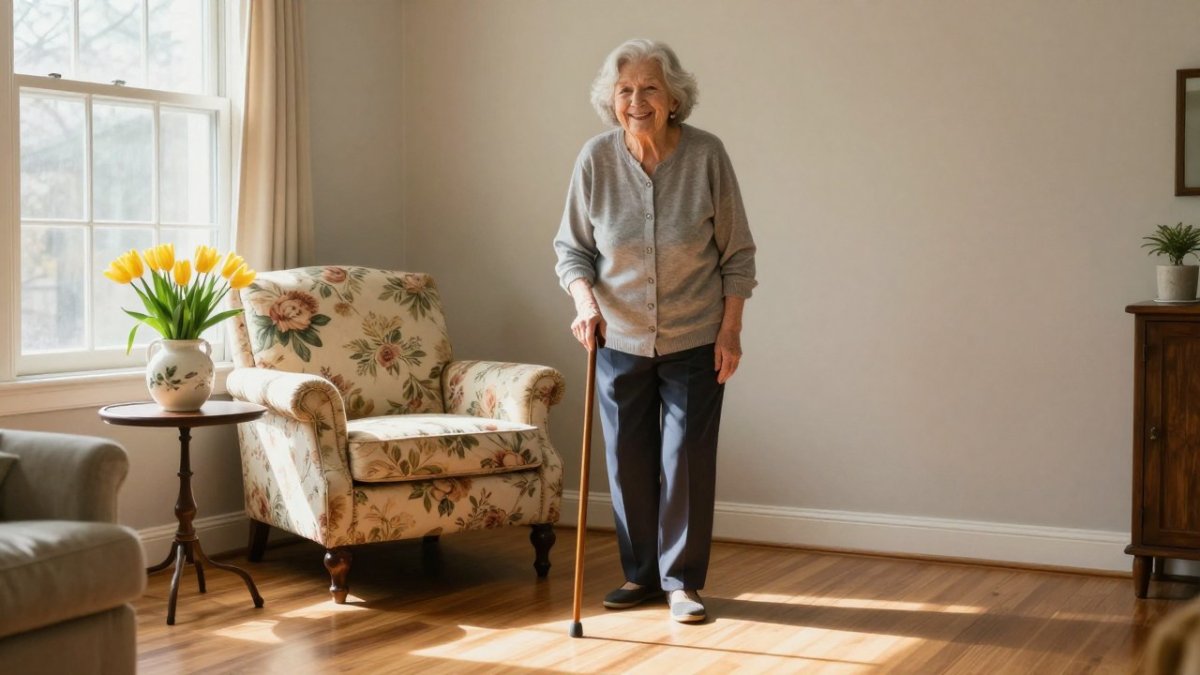
Non-medical home care is hands-on help with everyday life that lets seniors and adults with disabilities stay in their own homes. The support is practical and personal, and it does not involve clinical procedures.
The core idea is simple. A trained caregiver visits the home, helps with the tasks that have become difficult, and offers companionship along the way. Many families find this a practical middle ground between going it alone and moving a parent into a residential facility.
Non-medical care is not the same as skilled nursing. It covers daily living and household support rather than wound dressings, injections, or medication administration by a licensed professional.
Government of Canada guidance on home support for seniors
Non-Medical Home Care Services Available in Airdrie and Calgary
Services usually start with an in-home assessment, where a coordinator talks through the person's routine, health needs, and goals. That conversation shapes the care plan. Support can be as light as a few visits a week or as full as daily care, and it can change as needs shift.
Typical services include:
- Personal care such as bathing, dressing, grooming, and toileting assistance
- Companionship and social engagement
- Meal preparation, light housekeeping, and laundry
- Errands, appointments, and transportation
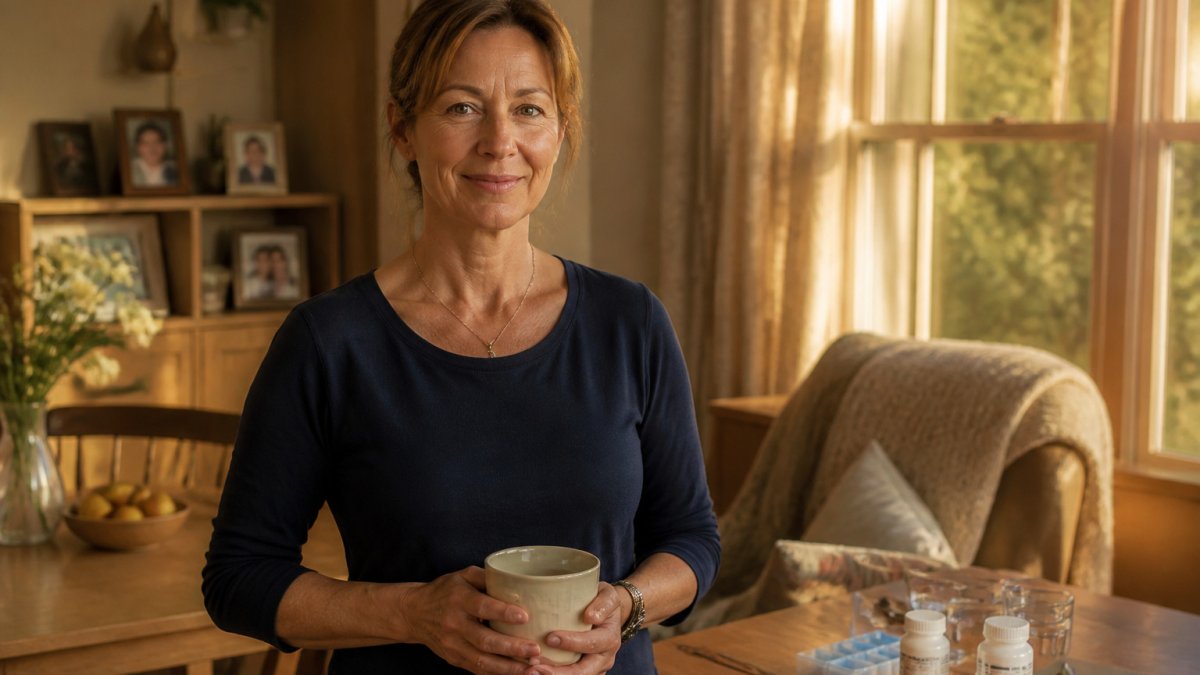
- Medication reminders, which are not the same as administering medication
- Specialized dementia and Alzheimer's support
Check with providers for current availability in your neighbourhood.
What Non-Medical Caregivers Can and Cannot Do in Alberta
The scope question matters more than most families realize, because it determines whether a caregiver can legally carry out a task. Non-medical caregivers provide personal care and home support; they are not licensed health professionals and do not perform clinical procedures.
Typical non-medical caregiver tasks include personal care, meal preparation, medication reminders, mobility support and reporting changes in condition. The exact tasks depend on the care plan agreed with the provider.
What a non-medical caregiver cannot do:
- Administer medication, including injections, eye drops, or suppositories, or adjust a dose
- Perform wound care, dressing changes, or catheter care
- Provide nursing assessments or clinical monitoring
- Make clinical decisions or give medical advice
Medication is the area where confusion is most common. A reminder is a prompt; administration is a clinical act. If a family needs pills given, a nurse or another regulated professional must be involved. Many families combine both, bringing in nursing services when a clinical need arises and relying on non-medical caregivers for everything else.
Personal Care and Daily Living Activities
Activities of daily living (ADLs) are the basic self-care tasks: bathing, dressing, eating, moving around, and using the toilet. When one of these becomes unsafe to do alone, a caregiver can step in for just that task while the person keeps doing everything else. Many families find that this preserves dignity better than a full takeover of care.
Personal care is delivered with respect for privacy and the person's own routine. A good caregiver asks how the client likes things done rather than imposing a standard method. The personal care services page explains how this support is set up in the home.
Companionship, Meal Preparation and Errands
Loneliness is a real risk for people who no longer drive or leave the house easily. Companionship visits give someone to talk to, play a game with, or go for a walk alongside. Meal preparation keeps nutrition on track, and light housekeeping keeps the home safe to live in. Errands and transportation get clients to the pharmacy, the bank, or a medical appointment. Happy at Home's transportation and errand services cover these needs in Airdrie.
Scheduling and Local Availability in Airdrie
Airdrie is a commuter city, and many families here need support during weekday work hours rather than evenings or weekends. Ask each provider what time windows it can reliably staff, how much notice it needs to add or change a visit, and whether the same caregiver can be assigned consistently. Travel time between Airdrie and Calgary can affect scheduling, so confirm whether a provider charges for it and how far it will travel within the city. Families in newer Airdrie neighbourhoods sometimes find that coverage is thinner than in established areas, so it is worth asking specifically about your street rather than the city as a whole.
Non-Medical Home Care vs Medical Home Care
The distinction matters because it determines who can do what. Medical home health care is delivered by licensed professionals such as registered nurses, physiotherapists, or occupational therapists, and it addresses a diagnosed condition under a physician's orders. Non-medical care focuses on daily living and supervision.
In practice, a person recovering from surgery may need both. A nurse manages the wound and the medication schedule, while a non-medical caregiver helps with bathing, meals, and getting around the house. Confusing the two can lead families to expect clinical services from a caregiver who isn't licensed to provide them, so it is worth asking directly what each provider can and cannot do.
The article draws a clear line between the two kinds of home support, summarised below.
| Feature | Non-medical home care | Medical home care |
|---|---|---|
| Who provides it | Trained caregivers, not licensed clinicians | Licensed professionals such as nurses or therapists |
| Main focus | Daily living and supervision | Diagnosed conditions under physician's orders |
| Typical tasks | Bathing, meals, mobility, companionship | Wound care, therapy, clinical treatment |
| Ordered by | The family or client's care plan | A physician's orders |
Who Benefits From Non-Medical Home Care
Seniors who want to age in place are the most common clients. They may be managing a chronic condition, adjusting to reduced mobility, or simply finding certain chores harder than they used to.
Families caring for someone with dementia benefit from trained caregivers who understand changes in memory and behaviour. People recovering from surgery who need help at home during the first weeks of recovery also fit well.

Dementia and Alzheimer's Support at Home
Caring for someone with dementia at home is demanding, and the behaviours that come with it, such as confusion, agitation, or wandering, can be hard for family members to manage alone. Caregivers supporting people with dementia can help keep routines predictable and reduce stress triggers. Happy at Home's dementia and Alzheimer's support is designed for families in Airdrie and Calgary who want that expertise in the home.
Families should ask any provider how its caregivers are trained for dementia, what happens when behaviour changes, and how the care plan is adjusted over time. The Alzheimer Society of Canada offers guidance for families navigating these questions (I'm caring for a person living with dementia).
Alzheimer Society of Canada caregiver resources
How to Choose a Home Care Provider
Choosing a provider is a decision worth taking slowly, and the questions that matter most are the ones families rarely think to ask until something goes wrong.
A practical vetting checklist for an Airdrie or Calgary provider:
- Screening and background checks. Ask whether the agency conducts criminal record checks and vulnerable-sector checks on every caregiver, and whether those checks are repeated on a set schedule.
- Training and supervision. Ask what training caregivers receive before their first shift, whether there is a supervisor who reviews care plans, and how often caregivers are spot-checked in the home. Dementia-specific training is worth confirming separately.
- Insurance and worker status. Confirm the agency carries liability insurance and workers' compensation coverage for its caregivers. If you hire a caregiver directly rather than through an agency, you may become the employer and take on those obligations yourself, which is a common and costly surprise.
- Written care plan. Ask for a written plan that lists tasks, schedules, and who to call when something changes. The plan should be reviewed and updated as needs shift, not set once and forgotten.
- Backup coverage. Ask what happens when the assigned caregiver is sick or on vacation. A provider that cannot describe a backup system is a provider that will leave gaps.
- Consistency of caregivers. Ask whether the same caregivers are assigned consistently and what happens if a client and caregiver do not get along. Familiarity matters for people with memory loss in particular.
- Costs and cancellation terms. Ask for a quote tailored to your hours and tasks, and get the cancellation policy in writing before signing. Pricing varies with hours and type of care, so general figures are not reliable.
- Complaint process. Ask how concerns are raised, who reviews them, and what the response timeline is. A clear process is a sign of a well-run agency.
Our questions to ask home care agencies guide and our practical guide to finding reliable home care in Airdrie walk through these points in more detail.
Watch out: some families sign a long contract before confirming that caregivers can match their schedule and personality. Ask for a trial period or a clear exit clause first, and do not rely on a verbal promise that a specific caregiver will always be available.
For local context, ask each provider which Airdrie neighbourhoods and surrounding communities it actually serves, how far caregivers travel, and whether travel time is billed.
Booking Your First Consultation With Happy at Home
Getting started is straightforward. A consultation with Happy at Home Healthcare Services covers your situation, the care needs you're facing, and what a realistic support plan would look like. Ask the team how services are arranged and billed, including whether the Client Directed Home Care Invoicing (CDHCI) program applies to your situation.
Is home care right for your family? Talk to Happy at Home Healthcare Services about a care plan that keeps your loved one safe and comfortable at home in Airdrie or Calgary. Call us today to book your first consultation.
Frequently Asked Questions
What is non-medical home care?
Non-medical home care is in-home support that helps people live safely and comfortably in their own homes without clinical treatment. Caregivers assist with activities of daily living such as bathing, dressing, grooming, toileting and mobility, and they may also provide meal preparation, light housekeeping, companionship and transportation to appointments. It suits seniors aging in place, adults recovering from illness, and families who need respite. Services are arranged through a provider and can be scaled up or down as needs change. For a clear picture of what your situation requires, a care assessment with the provider is the best starting point.
What services are included in non-medical home care?
Typical services include personal care such as bathing, dressing and grooming; help with toileting and transfers; meal planning and preparation; light housekeeping and laundry; companionship and social engagement; errands and transportation; and medication reminders, though medication administration is handled differently. Dementia and Alzheimer's support is also available from many providers. The exact mix depends on the care plan agreed with the client and family. Ask any provider to confirm in writing which services are included before you start.
What is the difference between non-medical home care and medical home care?
Non-medical home care focuses on personal care, daily living support and companionship, and is delivered by trained caregivers rather than regulated health professionals. Medical home care involves clinical services such as nursing, wound care, injections or therapy, typically ordered by a physician and delivered by licensed staff. Many people use both together, with medical services arranged through the health system and non-medical support provided privately or through funded programs. If a clinical need exists, a physician or care coordinator can advise which services apply.
How do you choose a home care provider?
Start by asking about caregiver training and screening, especially if dementia care is needed. Ask how caregiver matching works, how quickly care can start, and what happens if you are unhappy with a caregiver. Request a written breakdown of fees and any additional costs before signing. Ask whether the provider offers an in-home assessment and a written care plan, and check references where possible. Compare at least two or three agencies so you can judge responsiveness and fit.